Some cities refuse to explain themselves. Istanbul is one of them. You can spend days wandering between mosques, ferry docks and tea houses, convinced you’ve finally figured the place out. Then a fishing boat glides across the Bosporus, the call to prayer echoes between the hills, and you realize you’ve barely scratched the paint.
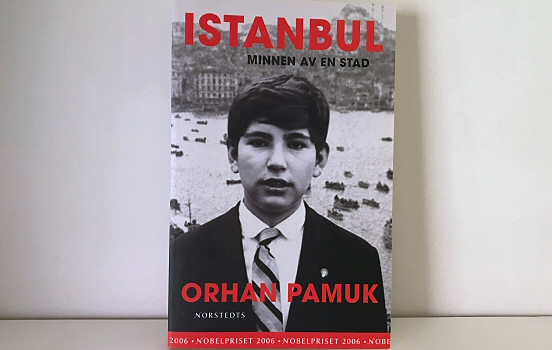
This is exactly where Orhan Pamuk comes in. After winning the Nobel Prize in 2006, Pamuk became Turkey’s literary ambassador to the world. But the book isn’t a travel guide, nor is it a straightforward autobiography. It’s a long conversation with the city that shaped him, a city he never really left.
It has often been described as the ultimate book on Istanbul which really captures the soul of the city. And Pamuk should know all about it, since he is living in the same house where he once grew up 50 years ago. He writes about peeling facades, creaking wooden houses, ferries cutting through the Bosporus and the fishermen patiently lining the Galata Bridge. Individually they’re ordinary scenes. Together they become something larger, a portrait of a city that carries centuries of triumph and defeat.
At the heart of the book lies the Turkish word “hüzün”. It’s often translated as melancholy, but that’s selling it short. It’s closer to a collective sadness and a quiet awareness that the glory days of the Byzantine and Ottoman empires are gone, yet their ghosts still occupy every skyline, every waterfront and every cracked stone staircase. The city doesn’t mourn its past so much as live alongside it. The feeling reminds me of Portuguese “saudade”.
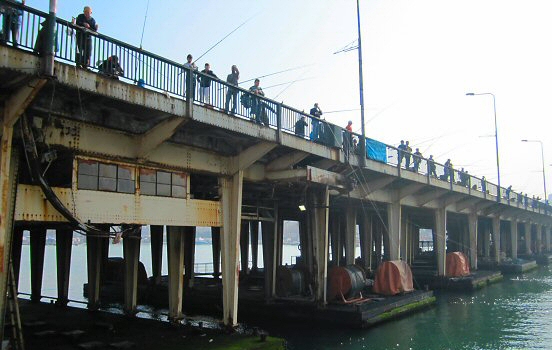 Fishermen at Galata Bridge.
The structure, however, can be frustrating. Pamuk jumps between family memories, historical anecdotes, literary reflections and long descriptions of apartments and childhood interiors. At times it feels less like reading a novel and more like rummaging through someone’s attic. Every now and then you discover a priceless antique. Other times you’re holding another dusty lampshade, wondering where the story wandered off to.
Personally, I would have welcomed more history woven between the personal recollections, as these stories deserve a little more room to breathe. Still, that’s part of the book’s strange appeal. Cities aren’t linear, and memories certainly aren’t. They drift, double back, linger on insignificant details and unexpectedly stumble onto something profound.
If you’ve visited Istanbul, this book will probably explain why the city stayed with you long after your flight home. If you haven’t, it may convince you that the best way to understand the place isn’t through a checklist of attractions, but through its melancholy. Some cities leave you with photographs, but Istanbul leaves you with hüzün.
Related posts
Comments
No comments yet.
Leave a reply